A vehicle does more than get you from one place to another. It carries your family, your tools, your groceries, your weekend gear, and sometimes your personality. Whether you drive a daily commuter, a work truck, a project car, or something you hope to keep for years, the way you care for it matters.
Protecting your vehicle does not always mean spending thousands of dollars. In many cases, small choices make the biggest difference. Regular cleaning, quick repairs, smart upgrades, and thoughtful personalization can help your car last longer, look better, and feel more enjoyable to drive.
Personalization is part of the fun, too. Your car does not have to look like every other vehicle in the parking lot. You can add custom touches, improve comfort, protect the interior, and make the exterior stand out without going overboard. The key is knowing which upgrades are useful, which ones are mostly cosmetic, and which ones can actually help preserve value.
Start With the Vehicle’s Current Condition
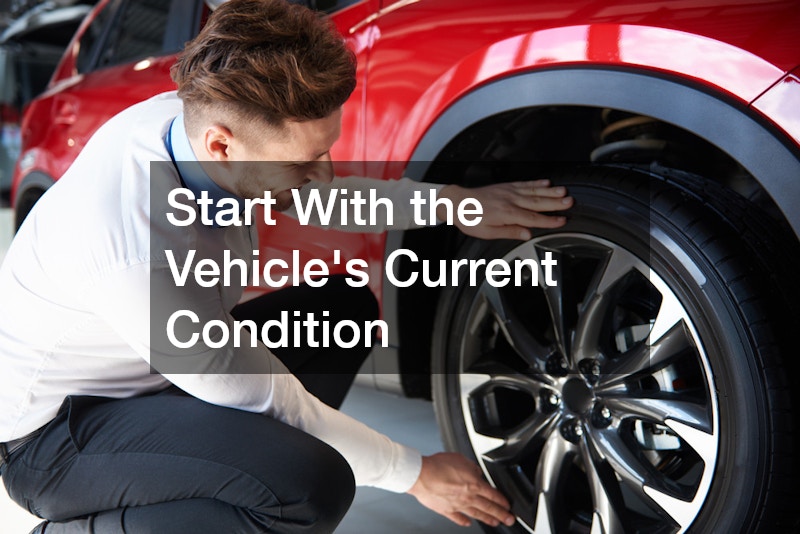
Before adding new accessories or visual upgrades, it is wise to assess your vehicle’s condition. A car that looks great but has worn brakes, leaking fluids, or electrical problems is still going to cost you time and money. Protection starts with maintenance.
Important items to check include:
- Engine oil level and condition
- Coolant level
- Brake fluid
- Transmission fluid, if accessible
- Tire pressure and tread depth
- Brake performance
- Battery condition
- Exterior lights
- Belts and hoses
- Wipers and washer fluid
- Unusual noises, smells, or vibrations
Add Style While Protecting the Finish
One of the best parts of owning a vehicle is making it feel like yours. Exterior personalization can be bold, subtle, sporty, professional, or completely unique. The trick is choosing changes that match the vehicle and your long-term goals.
Car wraps have become a popular option because they can dramatically change a vehicle’s appearance without permanently repainting it. A full wrap can transform the entire color, while a partial wrap can add contrast to the hood, roof, mirrors, or trim. Wraps are available in many finishes, including gloss, matte, satin, metallic, carbon fiber, and color-shifting styles.
Beyond appearance, wraps can help protect the original paint from light scratches, sun exposure, and minor wear. They are not armor and will not prevent damage from major impacts, but they can serve as a protective layer during normal use. For people who want a fresh look without committing to paint, this can be a smart option.
Car graphics are another way to personalize a vehicle. They can be used for racing stripes, sponsor-style designs, business branding, accent panels, hood decals, side graphics, or custom artwork. For enthusiasts, graphics can give a vehicle a track-inspired look. For business owners, they can turn a car, van, or truck into moving advertising.
Before choosing a wrap or graphic package, consider:
- The shape and color of the vehicle
- Whether the design fits your personal style
- How long you plan to keep the vehicle
- Whether the design could hurt resale value
- The quality of the vinyl material
- Whether installation is handled by a professional
- How the vehicle will be washed and maintained
If you want to protect resale value, choose designs that are easy to remove or appealing to a wider audience. A clean satin-black roof wrap or a subtle side stripe may age better than a loud design that appeals only to a small group of buyers.
Make the Cabin More Comfortable

The inside of your vehicle matters just as much as the outside. You spend time sitting in it, touching the controls, loading cargo, eating snacks, commuting, taking road trips, and sometimes waiting in parking lots. Interior protection can make the car more comfortable now and easier to sell later.
Sunlight is one of the biggest enemies of a vehicle’s interior. Over time, UV rays can fade seats, dry out dashboards, weaken plastics, and make the cabin hotter than it needs to be. That is where auto tinting services can be helpful.
Window tint can improve privacy, reduce glare, block heat, and help protect interior materials from sun damage. High-quality tint, especially ceramic film, can make a noticeable difference in cabin comfort during hot months. It can also reduce eye strain while driving in bright conditions.
Before tinting your windows, check local laws. Tint rules vary by state and may differ for front side windows, rear windows, and windshields. A professional installer should be familiar with legal limits, but it is still worth understanding what is allowed where you live.
Other simple interior protection ideas include:
- All-weather floor mats
- Seat covers
- Cargo liners
- Steering wheel covers
- Windshield sunshades
- Dashboard protectant
- Leather or fabric cleaner
- Small trash container
- Seat gap organizers
The best interior upgrades are the ones that improve daily life without creating clutter. Keep accessories simple, secure, and useful.
Keep Visibility Clear and Safe
Glass is easy to overlook until there is a crack across the windshield or a chip directly in your line of sight. Your windshield, side windows, and rear glass are all part of the vehicle’s safety system. They help with visibility, weather protection, structural support, and airbag function.
Auto glass repairs are often faster and less expensive when the damage is caught early. A small rock chip may be repairable if it is not too large, not directly in the driver’s critical viewing area, and not too close to the edge of the glass. Larger cracks, serious damage, or compromised glass may require replacement.
Choose Replacement Parts Wisely
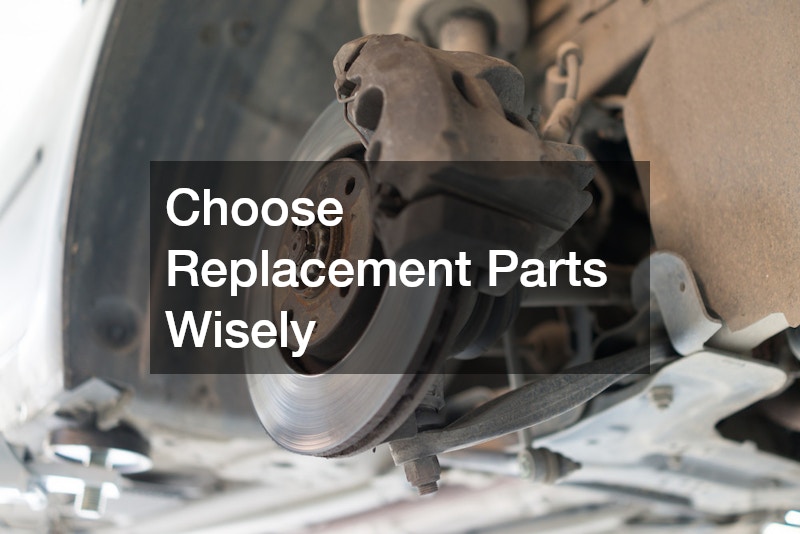
Vehicle repairs can get expensive, especially as cars age. Sometimes a brand-new part is the best choice. Other times, a used auto part can save money and keep the vehicle on the road without sacrificing quality.
Used parts can be especially helpful for older vehicles, discontinued models, or cosmetic repairs. For example, it may make sense to buy a used mirror, door panel, wheel, radio, seat, trim piece, or body panel instead of paying dealer prices for a new one. In some cases, the original parts fit better than cheap aftermarket replacements.
Good candidates for used parts may include:
- Interior trim
- Seats
- Mirrors
- Wheels
- Door panels
- Bumpers
- Fenders
- Headlight housings
- Tail lights
- Radio units
- Window switches
- Cargo covers
However, not every part should be purchased used. Safety-related components require extra caution. Brakes, airbags, seat belts, sensors, tires, and critical suspension components should be carefully inspected or replaced when safety is a concern.
Before buying any replacement part, confirm compatibility. Vehicles can change parts based on trim level, production date, engine option, and model year. A part that looks right may not connect, mount, or function correctly.
Know When Moving On Makes More Sense
Protecting a vehicle also means knowing when to stop spending money on it. Every car reaches a point where repairs may cost more than the vehicle is worth. That does not always mean you must get rid of it, but it does mean you should look at the numbers honestly.
Major repairs can be worth it if the vehicle is otherwise reliable, paid off, and useful. But repeated breakdowns can become frustrating and expensive. If you are constantly paying for repairs, missing work, arranging rides, or worrying about safety, it may be time to consider another option.
Signs a vehicle may no longer be worth repairing include:
- Severe rust
- Major frame damage
- Repeated engine problems
- Transmission failure
- Electrical issues that are hard to diagnose
- Repair costs higher than vehicle value
- Failed inspection with expensive repairs needed
- Safety concerns
- Lack of available parts
- Poor reliability despite recent repairs
In some situations, cash for cars services can be an option for vehicles that are old, damaged, non-running, or too expensive to fix. This can be especially useful if the vehicle has little resale value in a private sale or needs repairs before it can be safely driven.
Before making a decision, compare the estimated repair cost with the vehicle’s current value. Also consider how much you rely on the car and whether it still fits your needs. A repair that costs $2,000 might make sense on a dependable vehicle with years of life left. The same repair may not make sense on a car with major rust, high mileage, and several other problems waiting to happen.
Match Upgrades to How You Actually Drive

Not every driver needs the same upgrades. A commuter, parent, contractor, weekend racer, student, and road-trip traveler all use their vehicles differently. The smartest protection and personalization choices are the ones that fit your real life.
For a daily commuter, comfort and reliability may matter most. Window tint, good tires, clean glass, a phone mount, and regular maintenance can make everyday driving easier. For a family vehicle, floor mats, seat protection, cargo organization, and safety repairs may be top priorities.
For a work vehicle, durability may matter more than appearance. Seat covers, rubber mats, storage bins, protective bed liners, and simple exterior branding can be useful. For an enthusiast vehicle, style and performance may take priority, but maintenance should still come first.
Here are a few examples:
- A commuter may focus on comfort, visibility, and fuel efficiency.
- A parent may prioritize interior protection and safety.
- A contractor may need storage, durability, and easy cleanup.
- A car enthusiast may care about appearance, handling, and custom touches.
- A student may need affordable maintenance and basic reliability.
- A business owner may use exterior design to promote a brand.
It can be tempting to personalize a vehicle right away, especially after buying a new or used one. But the smartest first step is making sure the car is mechanically sound. Once the basics are handled, the fun upgrades will be more rewarding.
Build a Simple Long-Term Care Plan
A vehicle care plan does not have to be complicated. You just need a basic routine to help you avoid forgetting important tasks. The more consistent you are, the less likely you are to be surprised by preventable problems.
A monthly checklist can include:
- Check tire pressure
- Look for fluid leaks
- Test exterior lights
- Check oil level
- Inspect windshield and wipers
- Clean out the interior
- Wash the exterior
- Look for new dents, chips, or scratches
- Review upcoming maintenance needs
Every few months, you can add:
- Wax or seal the paint
- Deep clean the interior
- Rotate tires if needed
- Inspect brakes
- Check battery terminals
- Clean door jambs
- Condition leather or vinyl surfaces
- Inspect weatherstripping
Once or twice a year, schedule a more complete inspection. This is especially helpful before winter, summer, long trips, or track events. A trained eye may catch worn suspension parts, leaks, tire issues, or brake problems that are easy to miss at home.
A long-term care plan also helps with budgeting. Instead of being surprised by every repair, you can set money aside for maintenance, tires, brakes, registration, insurance, and upgrades. Even a small monthly amount can reduce stress when something needs attention.
Protecting and personalizing your vehicle does not require a huge budget or a full custom build. It starts with paying attention. When you keep up with maintenance, fix small problems early, protect the paint and interior, care for the glass, and choose upgrades carefully, your vehicle becomes more reliable, more comfortable, and more enjoyable to drive.
Start with the basics. Make sure the vehicle is safe, clean, and mechanically sound. Then add the details that make it feel like yours. With the right balance of care and customization, your vehicle can look better, last longer, and serve you well every time you get behind the wheel.